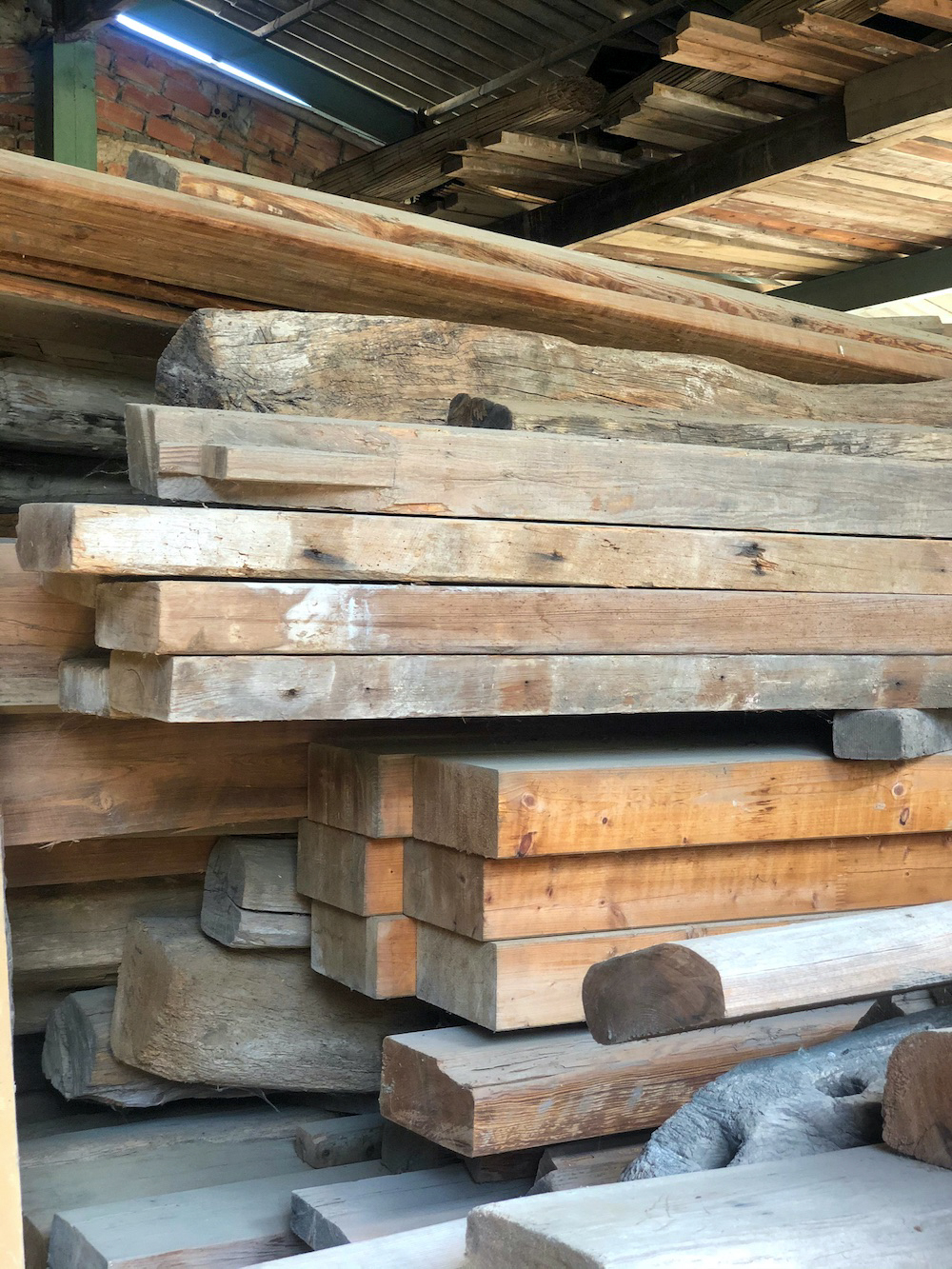
We absolutely love learning about sustainable building materials, that have advanced ten fold in recent years, and become as price competitive as their not as sustainable alternative. We don’t want to say, as their ‘traditional alternative’, as, whilst sadly this may be true at present, we would like to think, that in the not so distant future, sustainable materials will become known as ‘traditional’ in the building trade.
It has been a thoroughly enjoyable journey, of reeducation, as we have delved into how we can replace the not so sustainable parts of building, with sustainable, and even ecological replacements.
Over time, we will continue to add to the list of materials below, but for the time being, here are a few of our favourites to date.
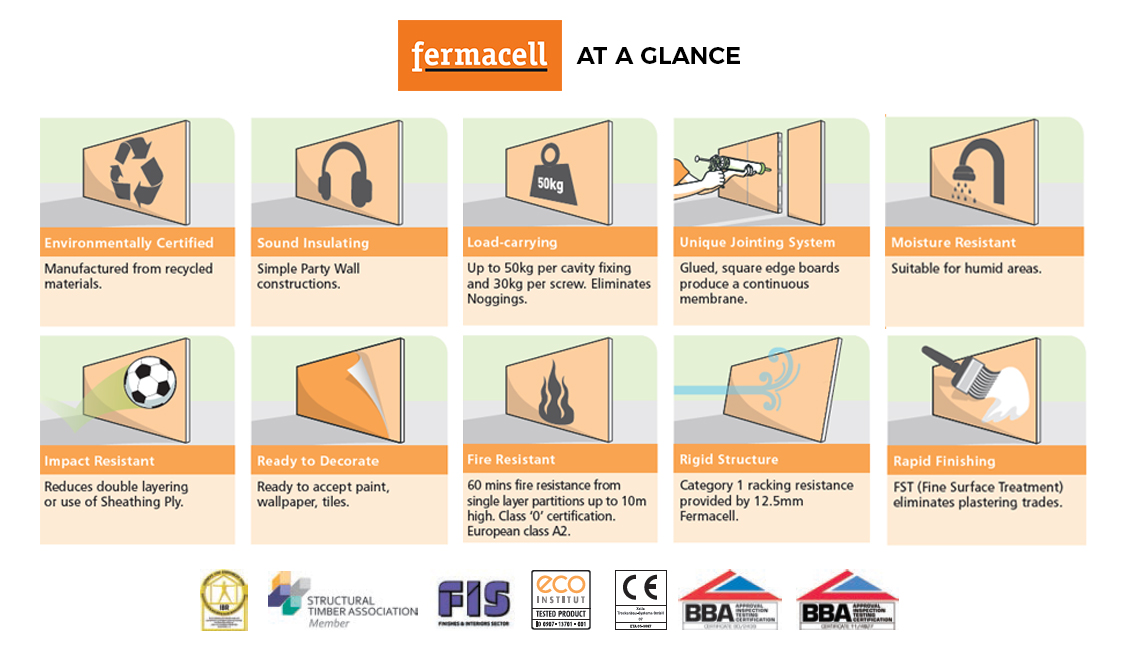
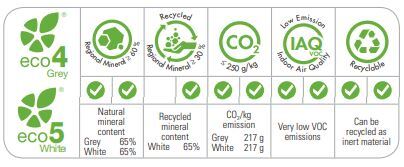
Fermacell boards are used in place of plasterboard as wall coverings on wooden stud work, lightweight aluminium profiles (min 72mm thick), and even dot and dabbed (glued) onto existing brick / block work or concrete walls.


Fermacell boards are used in place of plasterboard as wall coverings on wooden stud work, lightweight aluminium profiles (min 72mm thick), and even dot and dabbed (glued) onto existing brick / block work or concrete walls.

Fermacell boards are used in place of plasterboard as wall coverings on wooden stud work, lightweight aluminium profiles (min 72mm thick), and even dot and dabbed (glued) onto existing brick / block work or concrete walls.
Fermacell boards are used in place of plasterboard as wall coverings on wooden stud work, lightweight aluminium profiles (min 72mm thick), and even dot and dabbed (glued) onto existing brick / block work or concrete walls.